Cultural perspectives on gambling Exploring belief systems and practices across the globe
The Historical Roots of Gambling
Gambling has been a part of human culture for centuries, with its origins tracing back to ancient civilizations. In societies like Mesopotamia, archaeological finds suggest that dice were used as early as 3000 BC. These early forms of gambling were not just games of chance; they were often intertwined with cultural and religious practices, serving as a means of divination or decision-making in communal rituals. Today, many enthusiasts enjoy tracking the monopoly live score in various formats.
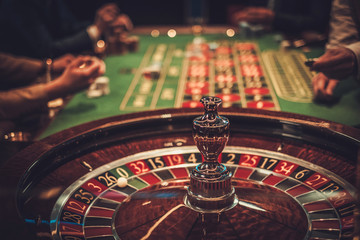
As civilizations evolved, so did the nature of gambling. In ancient Rome, it became a popular pastime among the elite, often associated with events such as gladiatorial games. The Romans introduced betting on chariot races and other public spectacles, solidifying gambling’s role in social life. This historical context sets the stage for understanding how modern gambling practices are shaped by cultural beliefs and traditions.
Gambling and Belief Systems
Belief systems heavily influence gambling practices across different cultures. In many societies, gambling is viewed through a lens of superstition and fate. For example, in some Asian cultures, specific numbers or colors are considered lucky, which affects betting patterns. The Chinese practice of gambling, especially during festivities like the Lunar New Year, is deeply embedded in cultural rituals, emphasizing luck and fortune.
Conversely, in some Western cultures, gambling has faced criticism and stigma, often associated with moral and ethical concerns. This dichotomy highlights how cultural narratives shape the perception of gambling, affecting both individual and communal engagement with such activities. The balance between viewing gambling as a harmless entertainment or a vice often hinges on these deeply rooted belief systems.
The Impact of Technology on Gambling Practices
The advent of technology has transformed gambling practices around the globe. Online gambling platforms have emerged as a significant component of the industry, allowing individuals to engage in gambling from the comfort of their homes. This shift has made gambling more accessible but has also raised concerns regarding addiction and regulatory challenges.
Mobile apps and virtual reality casinos are further pushing the boundaries of traditional gambling. Technology not only influences how people gamble but also affects cultural perceptions. Younger generations may view online gambling as a social activity, reshaping the communal aspects of the practice. This technological evolution prompts a re-evaluation of traditional beliefs regarding gambling and its role in society.
Global Variations in Gambling Practices
Cultural perspectives on gambling vary significantly across regions. In countries like Japan, traditional games such as pachinko merge gambling with entertainment, reflecting cultural values of leisure and enjoyment. In contrast, in many Arab nations, gambling is strictly prohibited due to religious beliefs, showcasing how cultural norms dictate the acceptance and legality of gambling.
Similarly, the cultural significance of gambling in Indigenous communities often intersects with storytelling and tradition. In these contexts, gambling can serve as a means of maintaining cultural identity, illustrating the complexity of gambling as both a social activity and a reflection of deeper cultural narratives.
Exploring Further: Our Website’s Commitment
Our website is dedicated to exploring the multifaceted world of gambling from diverse cultural perspectives. We aim to provide informative articles, research insights, and personal narratives that reflect the complexity of gambling practices worldwide. Our commitment lies in fostering a deeper understanding of how culture shapes our relationship with gambling.
We invite readers to engage with our content, share their experiences, and participate in discussions surrounding gambling and its cultural implications. Through this platform, we strive to create a community that appreciates the rich tapestry of beliefs and practices that define gambling across the globe.